
From Khajuraho’s Carved Stone to Panna’s Forest Trails
Flying from Delhi to Khajuraho
I travelled from Delhi to Khajuraho by flight. Arriving by air made Khajuraho a convenient starting point for exploring the temples and nearby natural attractions.
Khajuraho: a closer look at the temples
The temples make an impression from a distance. Their sandstone towers rise in richly ornamented forms, drawing the eye upward. Standing before Kandariya Mahadev Temple, I noticed both its scale and the detail covering its surface.
Flying from Delhi to Khajuraho
I travelled from Delhi to Khajuraho by flight. Arriving by air made Khajuraho a convenient starting point for exploring the temples and nearby natural attractions.
Khajuraho: a closer look at the temples
The temples make an impression from a distance. Their sandstone towers rise in richly ornamented forms, drawing the eye upward. Standing before Kandariya Mahadev Temple, I noticed both its scale and the detail covering its surface.
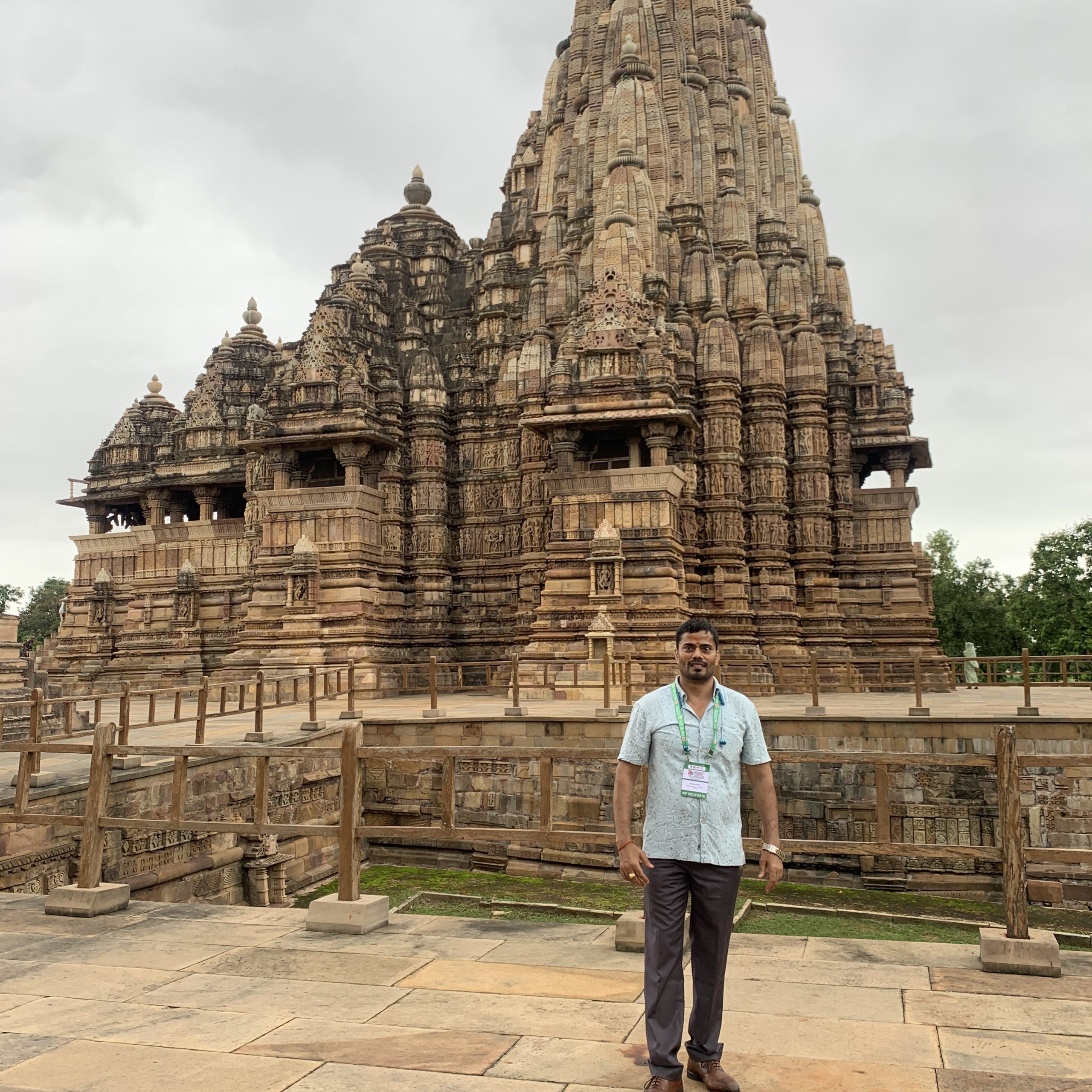
The Khajuraho Group of Monuments dates largely to the Chandella dynasty’s peak between the 10th and 11th centuries. Its temples are celebrated for how their architecture and sculpture work together. The figures and decorative bands are part of the buildings’ design, and seeing them in person made me want to look more closely at the stonework.
Khajuraho is a group of monuments, with western, eastern, and southern clusters. Each view offers something different: the overall profile of a temple, the arrangement of its towers, or the expressive details carved into its walls.
I recommend allowing enough time to explore beyond a quick circuit. The larger structures are impressive, but it’s the combination of architecture, sculpture, and smaller details that makes a visit especially rewarding.
Raneh Water Falls: the landscape of the Ken River
My trip also took me to Raneh Water Falls, where the landscape offered a striking contrast to the temples. The Ken River has carved a canyon through crystalline granite, exposing rock in shades of pink, red, and grey. Madhya Pradesh Tourism describes the canyon as approximately five kilometres long, with waterfalls that vary with the season.
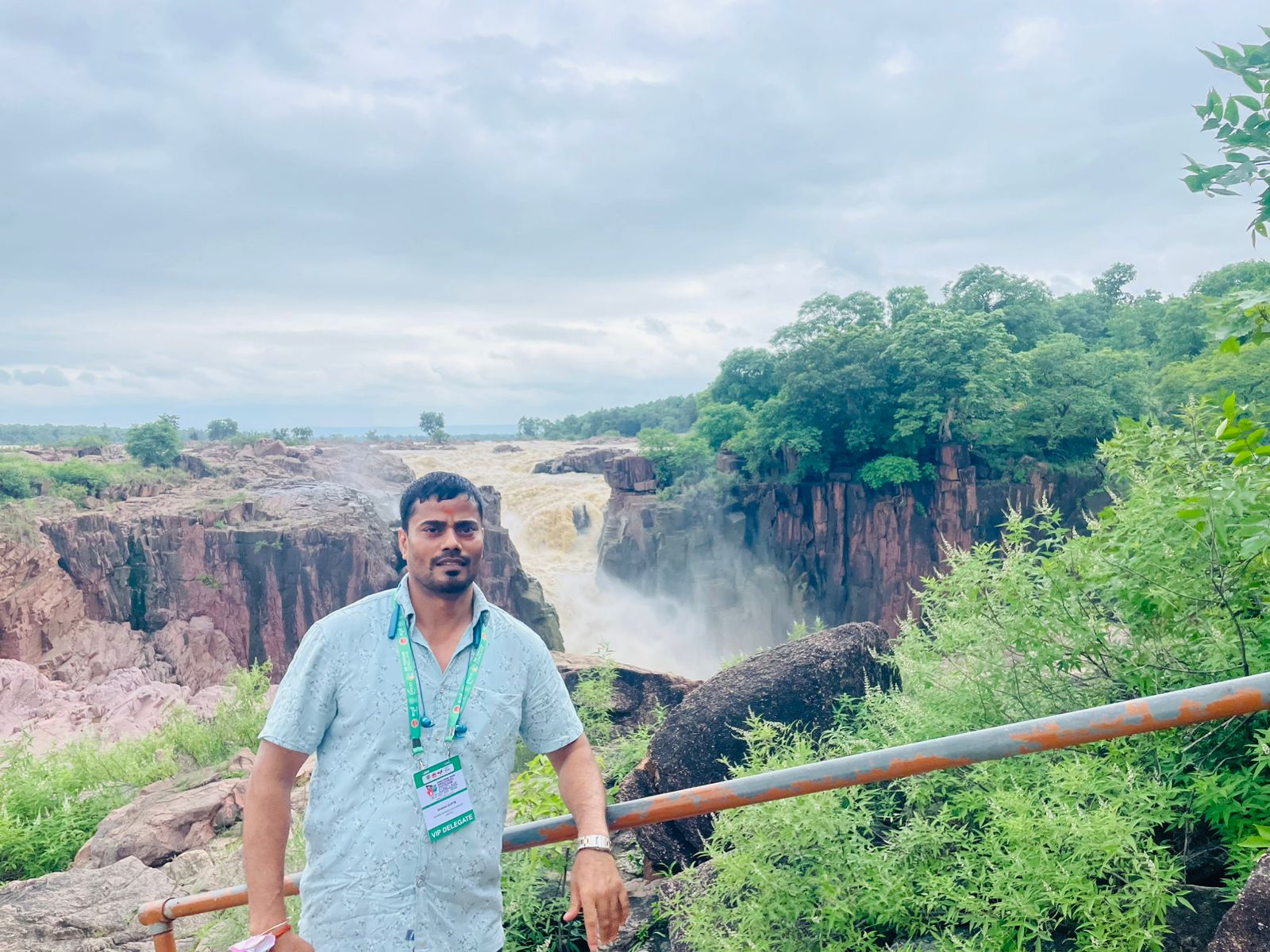
The visit added another dimension to the journey: after spending time with Khajuraho’s human-made forms, I was looking out across a landscape shaped by water and geology. Raneh is a memorable excursion to include when visiting Khajuraho and the wider Panna region.
Panna: out on safari
The journey continued into Panna, where I set out by jeep into the forest. The shift in atmosphere was immediate: the temple visit had been about pausing to study intricate details, while the safari invited us to watch the landscape and travel quietly along the track.
A safari brings its own anticipation. You listen, look into the trees, and take in the changing views as the jeep moves through the forest. Wildlife sightings can never be guaranteed, so the experience is also about being present in the habitat and observing it respectfully.
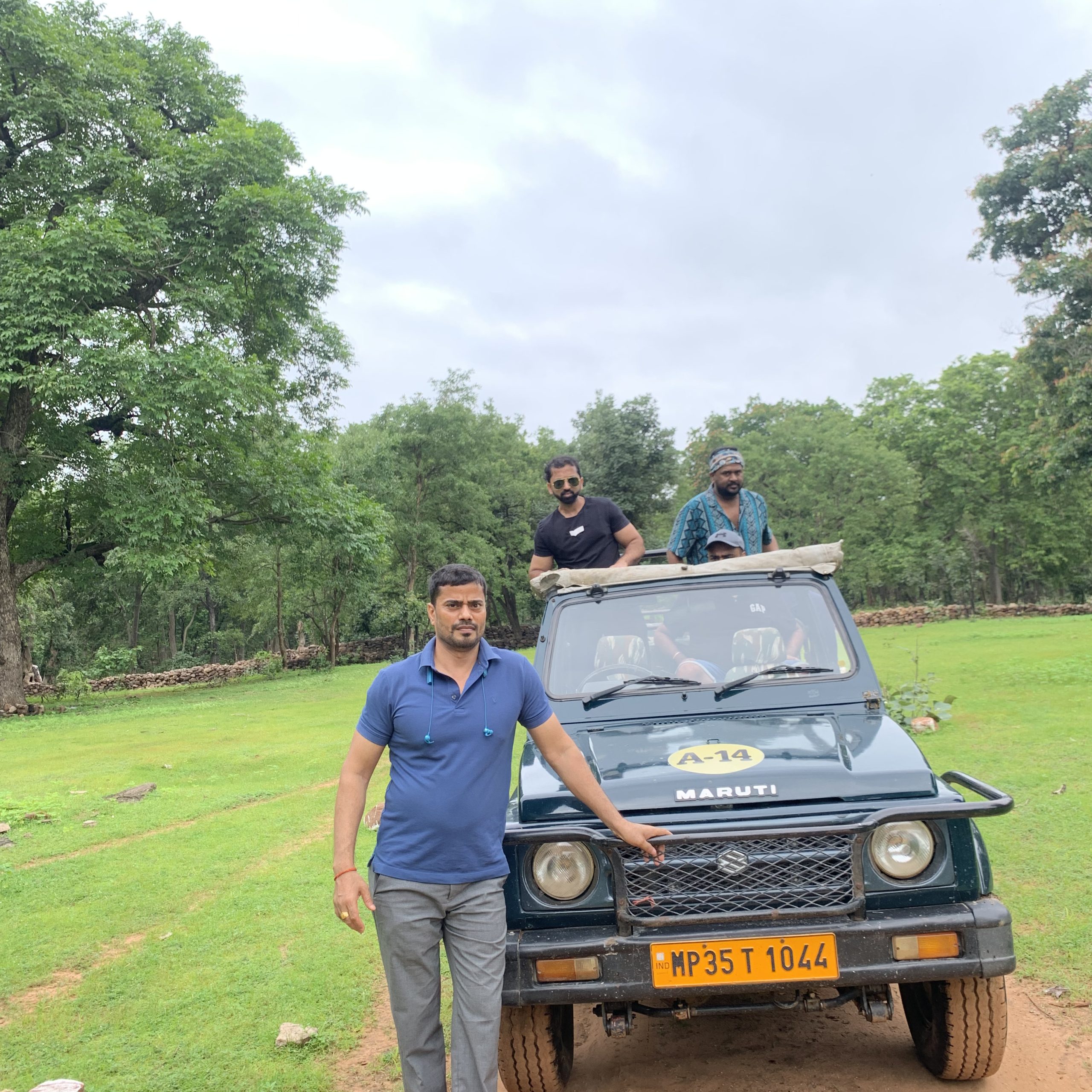
Panna’s landscape includes dry deciduous forest, plateaus, and deep gorges, with the Ken River shaping the wider region. For me, the jeep drive was a chance to experience that environment at a slower pace and appreciate the forest around us.
Returning to Delhi by Vande Bharat
For my return journey, I travelled from Khajuraho to Delhi aboard the Vande Bharat train. After exploring the temples, falls, and forest, it was a fitting way to bring the trip to a close: a comfortable rail journey back to the capital, carrying memories of a region with remarkable variety.
Why combine Khajuraho, Raneh, and Panna?
Together, these places make a rewarding Madhya Pradesh itinerary. Khajuraho offers history, architecture, and sculpture; Raneh Water Falls reveals the dramatic geology of the Ken River; and Panna brings the experience of exploring a forest landscape by safari vehicle.
My familiarization trip with the Madhya Pradesh government gave me a fresh appreciation of how well heritage and nature can complement each other. I left Khajuraho thinking about the artistry in its stonework, Raneh with the canyon’s changing colours in mind, and Panna with a renewed respect for the patience and quiet attention a forest visit deserves.
Planning note: Check current flight and train services, waterfall conditions, safari bookings, and park guidance before travelling. Follow local and park rules during visits, and remember that wildlife sightings cannot be guaranteed.
The Khajuraho Group of Monuments dates largely to the Chandella dynasty’s peak between the 10th and 11th centuries. Its temples are celebrated for how their architecture and sculpture work together. The figures and decorative bands are part of the buildings’ design, and seeing them in person made me want to look more closely at the stonework.
Khajuraho is a group of monuments, with western, eastern, and southern clusters. Each view offers something different: the overall profile of a temple, the arrangement of its towers, or the expressive details carved into its walls.
I recommend allowing enough time to explore beyond a quick circuit. The larger structures are impressive, but it’s the combination of architecture, sculpture, and smaller details that makes a visit especially rewarding.
Raneh Water Falls: the landscape of the Ken River
My trip also took me to Raneh Water Falls, where the landscape offered a striking contrast to the temples. The Ken River has carved a canyon through crystalline granite, exposing rock in shades of pink, red, and grey. Madhya Pradesh Tourism describes the canyon as approximately five kilometres long, with waterfalls that vary with the season.
The visit added another dimension to the journey: after spending time with Khajuraho’s human-made forms, I was looking out across a landscape shaped by water and geology. Raneh is a memorable excursion to include when visiting Khajuraho and the wider Panna region.
Panna: out on safari
The journey continued into Panna, where I set out by jeep into the forest. The shift in atmosphere was immediate: the temple visit had been about pausing to study intricate details, while the safari invited us to watch the landscape and travel quietly along the track.
A safari brings its own anticipation. You listen, look into the trees, and take in the changing views as the jeep moves through the forest. Wildlife sightings can never be guaranteed, so the experience is also about being present in the habitat and observing it respectfully.
Panna’s landscape includes dry deciduous forest, plateaus, and deep gorges, with the Ken River shaping the wider region. For me, the jeep drive was a chance to experience that environment at a slower pace and appreciate the forest around us.
Returning to Delhi by Vande Bharat
For my return journey, I travelled from Khajuraho to Delhi aboard the Vande Bharat train. After exploring the temples, falls, and forest, it was a fitting way to bring the trip to a close: a comfortable rail journey back to the capital, carrying memories of a region with remarkable variety.
Why combine Khajuraho, Raneh, and Panna?
Together, these places make a rewarding Madhya Pradesh itinerary. Khajuraho offers history, architecture, and sculpture; Raneh Water Falls reveals the dramatic geology of the Ken River; and Panna brings the experience of exploring a forest landscape by safari vehicle.
My familiarization trip with the Madhya Pradesh government gave me a fresh appreciation of how well heritage and nature can complement each other. I left Khajuraho thinking about the artistry in its stonework, Raneh with the canyon’s changing colours in mind, and Panna with a renewed respect for the patience and quiet attention a forest visit deserves.
Planning note: Check current flight and train services, waterfall conditions, safari bookings, and park guidance before travelling. Follow local and park rules during visits, and remember that wildlife sightings cannot be guaranteed.